Frequently Asked Questions
How much for upholstery cleaning?
The cost of upholstery cleaning varies based on factors such as the type of fabric, the size of the furniture, and the extent of cleaning required. For a precise quote, we recommend contacting Spalding Carpet & Tile Cleaners directly.
What is upholstery cleaning?
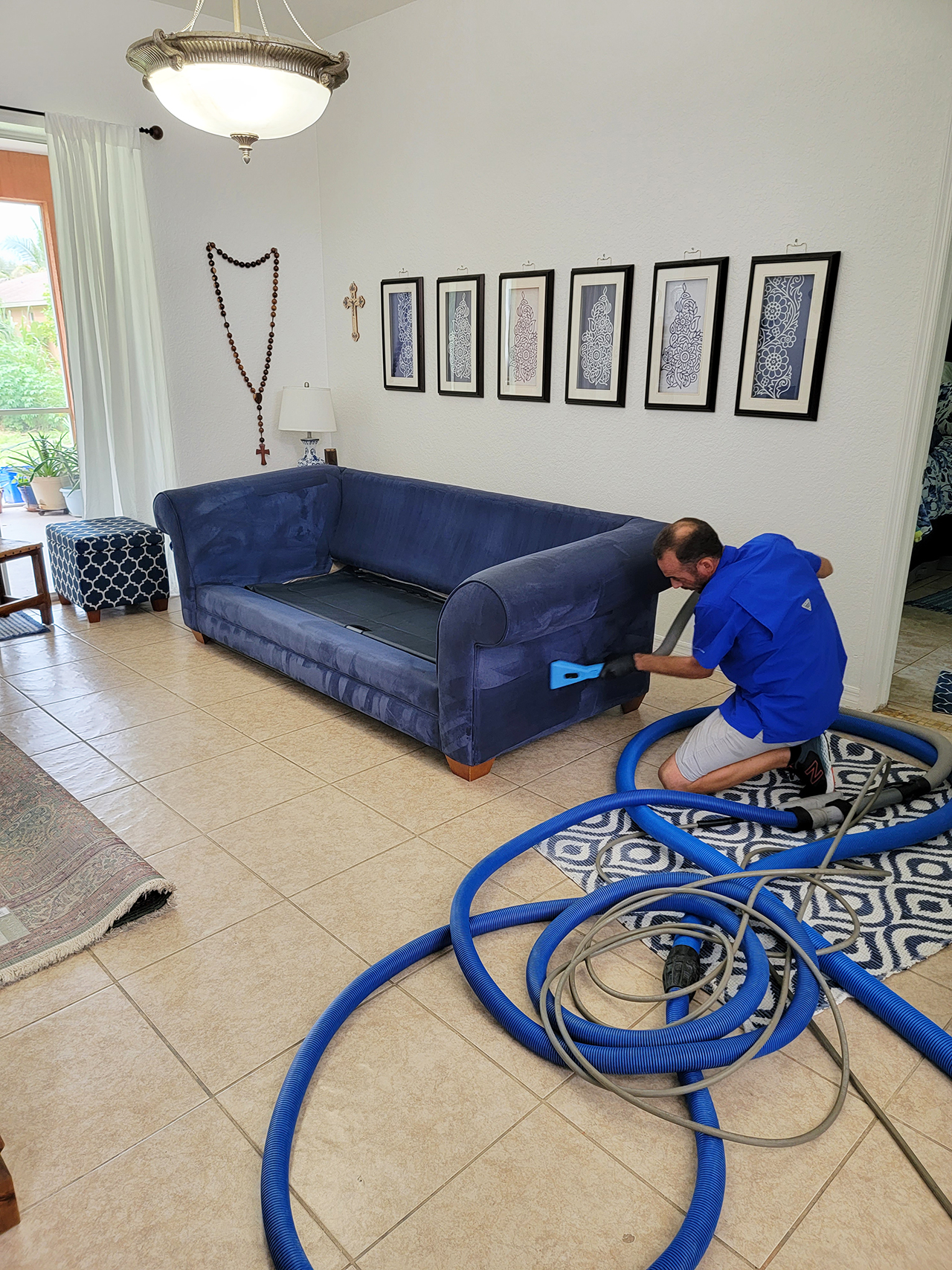
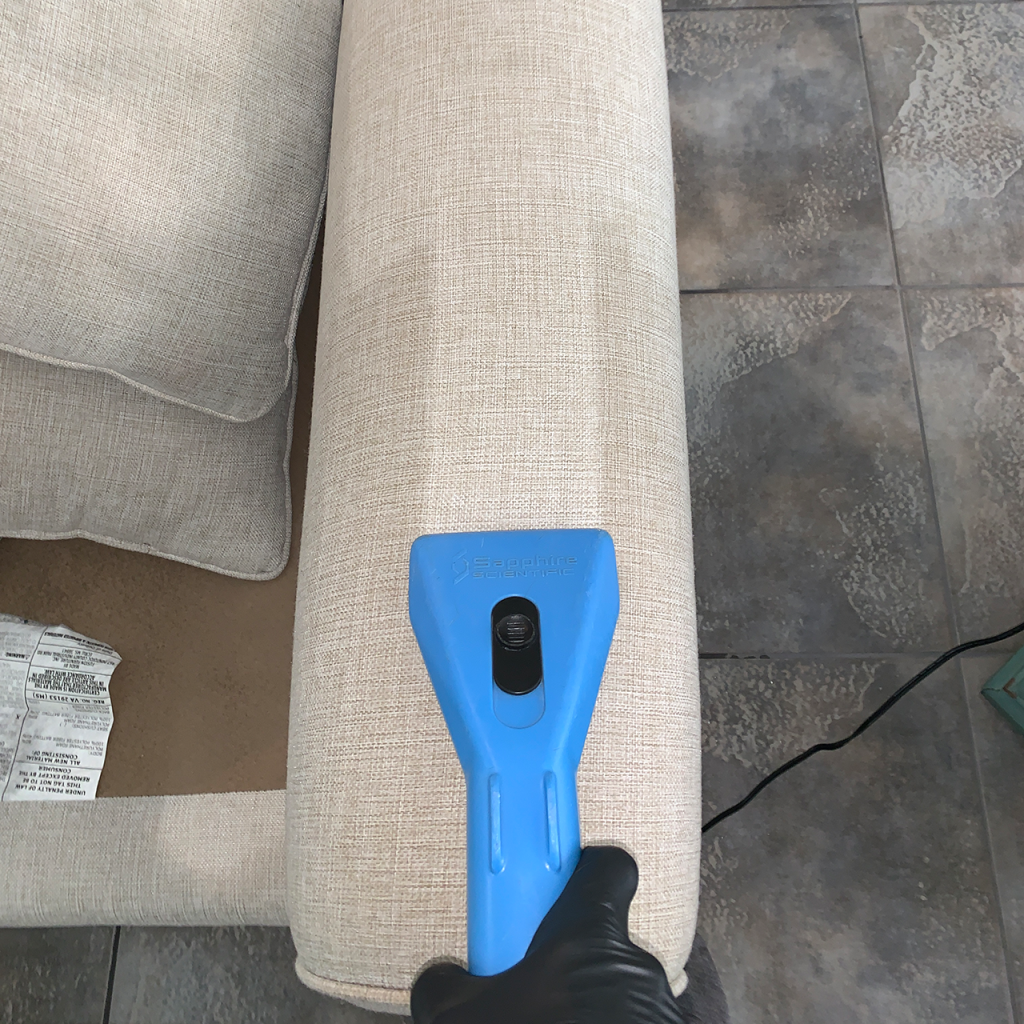
Upholstery cleaning is the process of deep cleaning furniture fabrics to remove dirt, allergens, and stains, restoring their appearance and extending their lifespan. This service typically utilizes specialized techniques, such as hot water extraction, for effective results.
How much does upholstery cleaning cost?
The cost of upholstery cleaning varies based on factors such as fabric type, size of the furniture, and the level of cleaning required. For an accurate quote, it's best to contact Spalding Carpet & Tile Cleaners directly.
How to clean leather car upholstery?
Cleaning leather car upholstery involves using a soft cloth and a pH-balanced leather cleaner. Gently wipe the surface, avoiding excess moisture, and finish with a leather conditioner to maintain suppleness and prevent cracking.
Why is upholstery cleaning important?
Upholstery cleaning is important because it enhances the appearance and longevity of your furniture. Regular cleaning removes dirt, allergens, and stains, ensuring a healthier living environment and maintaining the value of your investment.
How to clean car upholstery stains?
Cleaning car upholstery stains involves using a suitable upholstery cleaner or a mixture of mild detergent and water. Blot the stain gently, avoiding rubbing, and use a soft brush if necessary. Rinse with clean water and dry thoroughly.
What is the best upholstery cleaning machine?
The best upholstery cleaning machine is one that utilizes hot water extraction, offering deep cleaning and effective stain removal while being gentle on fabrics. Look for machines with strong suction and a variety of attachments for versatility.
How to clean suede upholstery?
Cleaning suede upholstery requires gentle care. Start by using a soft brush to remove surface dirt, then apply a suede eraser for stains. For deeper cleaning, use a damp cloth with a small amount of mild soap, ensuring not to saturate the fabric.
How to upholstery cleaning?
The process of upholstery cleaning involves several key steps. First, vacuum the furniture to remove loose dirt and debris, then apply a suitable cleaning solution and use hot water extraction to deep clean the fabric, ensuring a thorough rinse and drying.
What methods are used for upholstery cleaning?
The methods used for upholstery cleaning include hot water extraction, steam cleaning, and dry cleaning. Each method effectively removes dirt, stains, and allergens, helping to restore the appearance and extend the life of your furniture.
How often should upholstery be cleaned?
Upholstery should be cleaned every 12 to 24 months, depending on usage and exposure to dirt and allergens. Regular cleaning helps maintain its appearance and extends the life of your furniture.
Can upholstery cleaning remove pet odors?
Upholstery cleaning can effectively remove pet odors. Our hot water extraction method targets deep-seated odors, ensuring your furniture is not only clean but also fresh-smelling, enhancing your home environment.
What are the benefits of upholstery cleaning?
The benefits of upholstery cleaning include enhanced appearance, extended furniture lifespan, improved indoor air quality, and the removal of allergens and stains. Regular cleaning maintains the beauty and hygiene of your upholstery, ensuring a healthier living environment.
Is upholstery cleaning safe for all fabrics?
Upholstery cleaning is generally safe for most fabrics, but some delicate materials may require special care. It's important to consult with a professional cleaner to ensure the appropriate methods are used for your specific upholstery type.
How long does upholstery cleaning take?
The duration of upholstery cleaning varies based on the size and condition of the furniture. Typically, the process takes between 1 to 3 hours to complete.
What should I expect during upholstery cleaning?
During upholstery cleaning, you can expect a thorough assessment of your furniture, followed by a deep cleaning process using hot water extraction to remove dirt and allergens, leaving your upholstery fresh and revitalized.
Can I clean upholstery myself effectively?
Cleaning upholstery yourself can be challenging and may not yield professional results. While basic maintenance is possible, hiring experts ensures a deeper clean and protects your furniture's longevity.
What products are best for upholstery cleaning?
The best products for upholstery cleaning are those specifically formulated for fabric care, such as enzyme-based cleaners, mild detergents, and upholstery-safe spot removers. Always test on a small area first to ensure compatibility.
How to maintain upholstery after cleaning?
Maintaining upholstery after cleaning involves regular vacuuming, addressing spills promptly, and using fabric protectors. Additionally, avoid direct sunlight to prevent fading and rotate cushions to ensure even wear.
What stains are hardest to remove from upholstery?
The stains that are hardest to remove from upholstery include red wine, ink, and pet urine. These stains often penetrate deeply into the fabric fibers, making them particularly challenging to eliminate without professional cleaning assistance.
How to choose a professional upholstery cleaner?
Choosing a professional upholstery cleaner involves considering their experience, cleaning methods, and customer reviews. Look for a company that uses effective techniques, like hot water extraction, and provides transparent pricing and guarantees for customer satisfaction.
What is the process of upholstery cleaning?
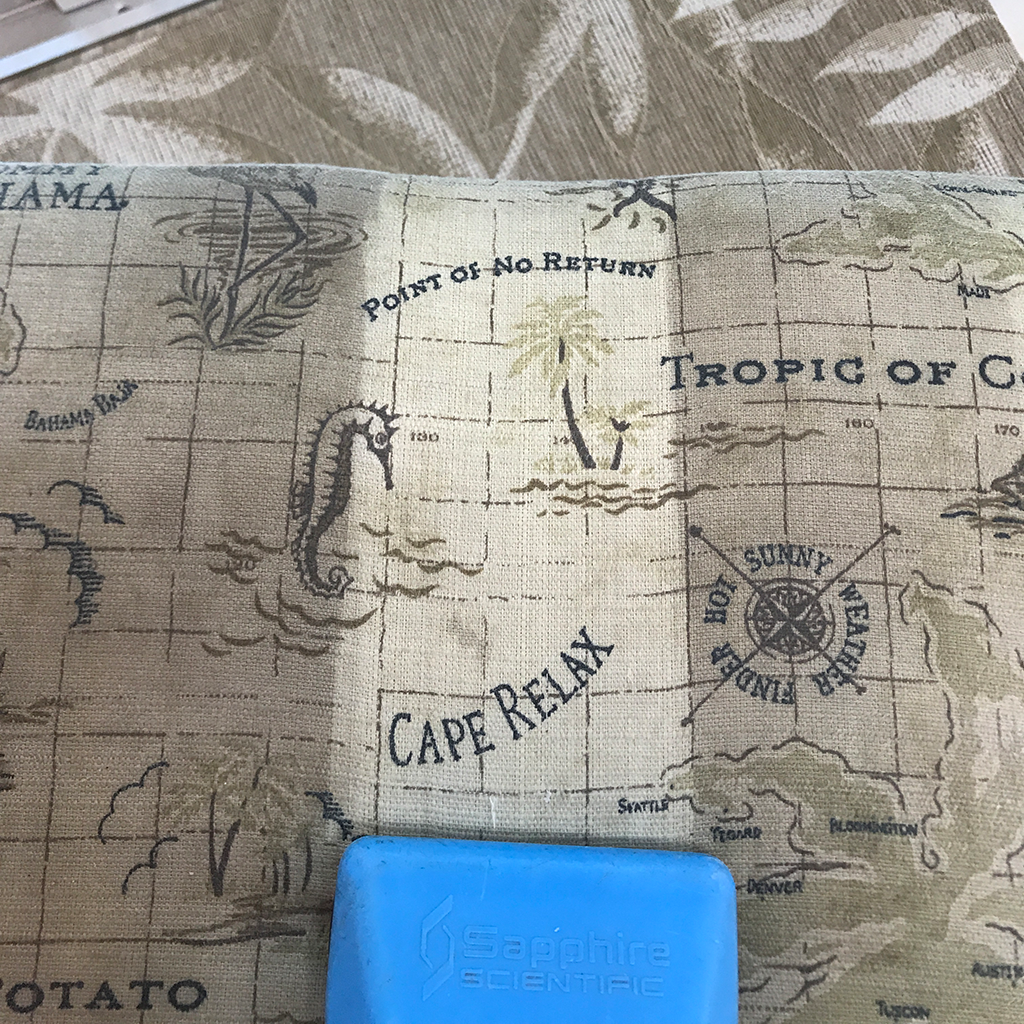
The process of upholstery cleaning involves several key steps. First, our team inspects the fabric to determine the best cleaning method. Next, we use hot water extraction to remove dirt and allergens, followed by thorough drying to maintain the upholstery's integrity.
Are there eco-friendly upholstery cleaning options?
Eco-friendly upholstery cleaning options are available and utilize biodegradable products that are safe for both your furniture and the environment. Spalding Carpet & Tile Cleaners prioritizes sustainable practices while effectively cleaning your upholstery.
How to prepare for upholstery cleaning service?
Preparing for upholstery cleaning service involves clearing the area of any furniture, personal items, and obstacles to ensure easy access. Additionally, vacuum the upholstery to remove loose dirt and debris for optimal results.
What is the average cost of upholstery cleaning?
The average cost of upholstery cleaning typically ranges from $100 to $300, depending on factors such as the type of fabric, size of the furniture, and the level of cleaning required.
How to remove stubborn stains from upholstery?
Removing stubborn stains from upholstery involves blotting the area with a clean cloth, applying a suitable upholstery cleaner, and using a soft brush to gently work the solution into the fabric. Always test in an inconspicuous area first.
What is the difference between upholstery and carpet cleaning?
The difference between upholstery and carpet cleaning lies primarily in the materials and techniques used. Upholstery cleaning focuses on furniture fabrics, requiring specialized methods to avoid damage, while carpet cleaning targets floor coverings with techniques suited for heavier, more durable materials.
How to protect upholstery after cleaning?
To protect upholstery after cleaning, it’s essential to avoid placing heavy items on the furniture and to keep it away from direct sunlight. Additionally, using fabric protectors can help shield against stains and spills.
What tools are needed for upholstery cleaning?
The tools needed for upholstery cleaning include a vacuum cleaner, upholstery cleaning solution, a steam cleaner or hot water extraction machine, soft brushes, microfiber cloths, and possibly a stain removal kit for tough spots.
How to identify upholstery fabric types?
Identifying upholstery fabric types involves examining the texture, fiber content, and weave pattern. Look for labels or conduct a burn test for fiber identification, while also considering the fabric's durability and maintenance requirements for optimal care.